
Italian regulator orders blocking of 23 crypto websites

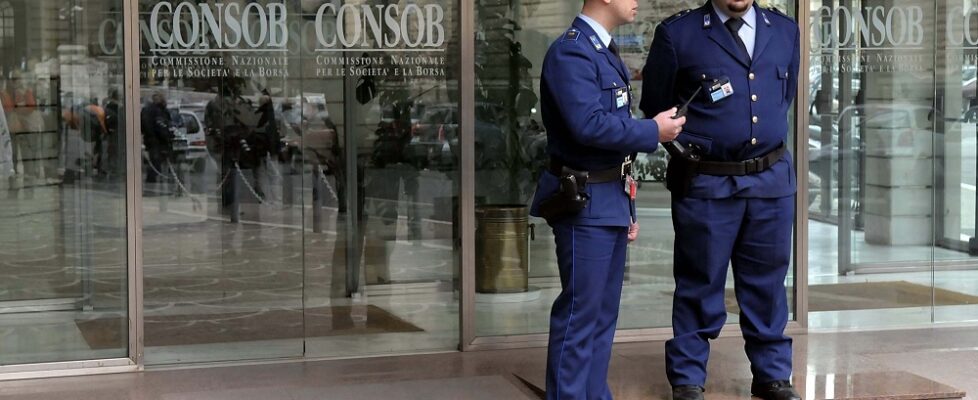
Italy’s Companies and Exchange Commission (CONSOB) today announced it has issued orders for the blocking of access to 23 unauthorized crypto websites.
The list of websites includes:
- “Patrimèra” (websites https://bircholtless.top, https://econmilanozone88.pro and https://romatrendix.xyz);
- “Stream Herplex Nx” (website https://shaftdwke.com);
- “Aziovale” (websites https://fintrendtrackerq.info, https://zenithad.top and https://marketflowgridz.top);
- “Portafica” (websites https://rowanbarrowty.pro, https://synthiumd.pro, https://florentiad.info, https://designlabyu.top, https://marketpulsehubx.top, https://italinsightpro.top, https://marketpulserf.info, https://travelnetty.pro, https://meridianad.info, https://borealhub.pro, https://clariseline.top, https://truewarmheartedpath.pro, https://truelightbeamd.pro, https://mindsparklety.info, https://spiritsweetbalanceup.top);
- “Epic Maxalt Neo” (website https://elapidpcsf.cc).
This brings the total number of websites blocked by Consob since July 2019 to 1,704. Of these, 201 relate to crypto-asset-related activities. Earlier this week, the regulator announced the blocking of access to 10 crypto websites.
In issuing the orders, the Authority has exercised the powers granted to it by the “Growth Decree” and the MiCAR (EU Regulation and Legislative Decree No. 129/2024).
Internet connectivity providers operating in Italy are currently blocking the websites. For technical reasons, the actual blocking may take several days to implement.
It is important for savers to exercise utmost diligence to make fully informed investment decisions, adopting common sense practices that are essential to safeguarding their savings. These include prior verification, for sites offering investment services and crypto-assets, that the operator through which they are investing is authorized and, for financial products and crypto-assets, that a prospectus or white paper has been published.
Consob also notes the evolution of deceptive practices that exploit the Internet to steal users’ money and personal data. The use of new tools, such as “cloned” emails and websites, counterfeit profiles of political figures, celebrities, and content generated by artificial intelligence systems—such as images, voices, or videos—has increased, with the aim of inducing savers to make harmful investment decisions.