

7 News Updates that Highly Affect the Financial Markets

Financial markets react to news in real time, and certain types of updates carry more weight than others. A single jobs report or interest rate decision can move billions of dollars across stock, bond and currency markets within minutes. Knowing which news events to watch gives investors an edge when it comes to understanding why markets move the way they do.
Seven News Updates Every Trader Should Watch
When investors check financial news, they watch for specific items labelled “high impact” because they can move market sentiment quickly. Such high impact news is usually periodic and anticipated, but it can also be spontaneous and unexpected. These events affect every corner of the financial markets, including stocks, bonds, commodities, currencies and CFD trading positions.
For example, political conflict involving major global oil producers can send oil prices skyrocketing. There are seven news updates that affect markets in the short and long term.
Central Bank Monetary Policy Decisions
Central banks manage economic fluctuations through monetary policy to stabilise prices and bring inflation towards their target. The monetary policy rate affects short- and long-term market operations by dictating borrowing costs, asset valuations, and investor sentiment. This is one of the biggest movers of securities prices.
The stock, bond, and currency markets are directly influenced by interest rate announcements. While the commodity and crypto markets usually have a secondary reaction. Financial institutions anticipate the central bank’s decision and adjust their market positions before the announcement.
A good example is the predicted Bank of England rate cut in April or June, as concerns mount over a potential energy inflation driven by the Iran war.
Inflation Data
The Consumer Price Index (CPI) is a standard international measure of inflation that governments use to determine their economic health. When released, the inflation data tells investors how strong or weak the economic performance is and gives an idea of potential rate hikes or cuts.
High inflation typically triggers interest rate hikes, which then reduce corporate profit margins, lower bond prices, increase volatility in currency markets, and compress stock valuations. Cash also loses its real purchasing power.
Most countries release inflation data for the preceding month once a month. In the UK, the Office for National Statistics (ONS) releases the data typically at 7 a.m. on the scheduled date. Investors and financial institutions compare new and prior data to forecast market responses.

Geopolitical Conflicts
Sanctions, wars, elections, disease outbreaks, natural events, etc., all affect investor risk appetite. This is because they create uncertainty and impact supply chains. And when that happens, markets react immediately with sell-offs of risky assets and massive capital flowing into assets like gold, the US dollar, and Treasuries, which are considered “safe havens.”
When news of geopolitical events reaches the world, financial analysts assess the impact on the supply of commodities such as oil, critical industrial chemicals such as sulphur and silicone, and foodstuffs. They quickly analyse supply chains and what changes will do to market prices.
The resulting capital flow also shapes market decisions, especially among retail investors, who track fund flows across assets and adjust their trades accordingly. Investors may choose to wait out short-term market changes.
Corporate Financial Data and News
The financial reports of companies in any country draw a direct line to the nation’s economic health. This is why corporate data is a critical news update that investors watch out for, especially for stock trading. When companies announce consistent, strong financial performances and high profitability, their stock prices typically appreciate. But that’s not all.
Investor confidence in the economy grows, and other markets may see capital inflows from local and foreign investors. This sectoral or overall market change affects both the primary company and its industry. News of mergers and acquisitions and other direct corporate action can also affect markets.
Trade Policies and Tariffs
International trade is closely tied to financial markets, especially currency, stock, and commodity markets. When trading conditions and policies change, the prices of goods and services do the same, which influences how the economy responds. When U.S. President Donald Trump announced a blanket trade tariff in 2025, global markets immediately reacted.
The U.S. dollar eventually lost 10% of its value in the first half of 2025, while major companies saw a temporary increase in stock value due to frontloading trades. Gold and currencies like the Japanese Yen and the Euro also strengthened as investors moved capital from the US dollar to safer securities.
Energy and Commodity Price Volatility
Oil and energy prices are critical drivers of government decisions, and the impact reaches across all financial markets. A sudden surge in oil prices can trigger volatility in the S&P 500 Index and the stock prices of oil and energy companies. This naturally triggers a flight to precious metals like gold and silver, which in turn causes market volatility.
Changes in the price of raw materials, such as silicone, which are crucial to manufacturing superconductors, are also important news updates. Stock analysts track this news to predict the impact on investors’ appetite.
Gross Domestic Product and Employment Data
GDP reports are “high-impact” because they tell the economic situation at a glance. Higher GDP means the economy is expanding and businesses are thriving. This strengthens the currency and can boost commodity demand.
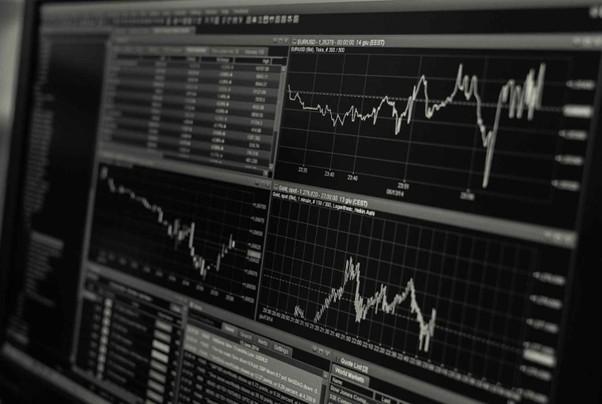
The employment data is another important indicator, which tells the story of job creation and the economy. When employment increases, it indicates a more robust economy and can stimulate higher consumer spending and confidence.
The GDP and employment reports also provide pointers to the inflation level. For investors and analysts, they offer a clear view of the currency’s strength and can influence their appetite for the securities in a country.
Not All Market News Carries the Same Weight
These seven news updates influence markets in varying degrees, with some, like oil and the U.S. inflation, interest, GDP, and employment rates, affecting global markets. Some others may influence a regional or continental market without far-reaching global effects. It is best to access news from reliable sources such as your broker’s dedicated news portal or globally-recognised platform like the BBC, CNN, financial newspapers, and talk shows.