
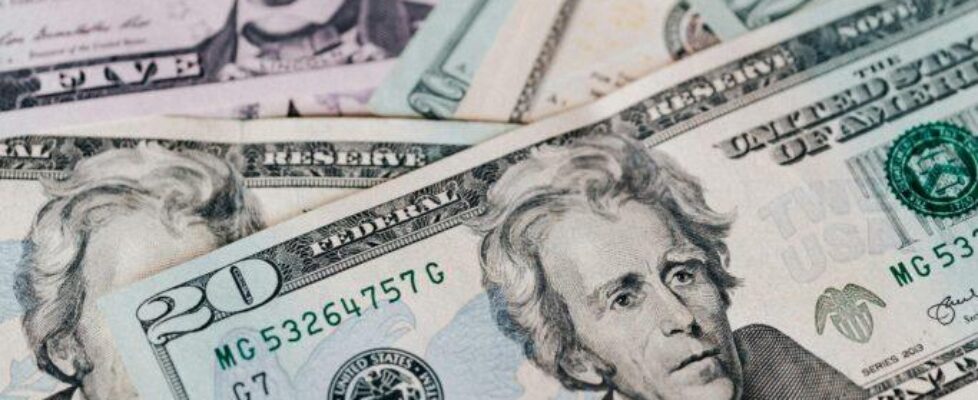
The Dollar Is Still the Main Character in Both Forex and Crypto

Despite the rhetoric around decentralisation, digital currencies and the prospect of a more diversified monetary future, the dollar remains the most important benchmark in the global economy. This is so in the conventional foreign exchange market, where the dollar is still the pivot point for trade, reserves and risk. It is also true in crypto, where speculators may talk about the advent of financial alternatives, but still track value, liquidity, and sentiment in dollar terms. The upshot is that the dollar remains the lead actor in both forex and crypto, a fact that market participants keep rediscovering.
That is important because it alters the way we view both markets. In forex, for example, the dollar remains the reference point that defines major forex pairs. In crypto, even when the buzz is around digital assets like Bitcoin or Ethereum (or newer cryptocurrency ecosystems), the market still tends to reflect their dollar value. It doesn’t matter if they are tracking Bitcoin to the USD, Ether to the USD, or Solana to USD – the USD is the standard. Binance is a good example of this because it remains a leading platform where many international participants interact with volatile dollar-denominated markets, thereby reinforcing the continued importance of the dollar in the world of cryptocurrency.
The Dollar Sets the Pace in Forex
This is clear in foreign exchange markets. The dollar isn’t just one of many currencies traded in a large market. It is the fundamental benchmark that defines global risk, monetary policy and macroeconomic tensions. A rising dollar is often read as a sign of caution, tighter financial conditions, or a quest for safety. A weak dollar is often interpreted as an easing of conditions or a boost for risk-taking.
Its role as a central asset means the dollar has a large influence on currency valuations. The yen, euro, pound and emerging-market currencies are all viewed in part relative to the greenback. This means forex is not just a collection of exchange rate pairs. It is, to some extent, a dollar-centred system.
It is also a reality increasingly extending to crypto. Despite being born as an alternative to the established monetary system, the market has developed in a way that still makes the dollar an outlier. Binance, as one of the most visible exchanges in the crypto world, helps demonstrate that reality every day by enabling widespread global participation in crypto markets that are still heavily influenced by dollar thinking.
Crypto Still Thinks in Dollar Terms
Crypto may have originated with the concept of new value, but it still thinks in dollars more than some cryptophiles would like to acknowledge. This means that prices are traded against the dollar, profits and losses are measured in dollars, and many investors will view their returns and losses in these dollar terms, not just in crypto terms. While the industry may be trying to distance itself from the legacy financial world, the dollar is still its most familiar voice.
This is one reason stablecoins became so important. Their emergence did not replace the dollar. In many ways, it brought the dollar to the cryptosphere. Digital markets are now being moved through dollar-denominated instruments on an enormous scale, so the dollar is not disappearing from the crypto economy. It is evolving. Rather than the dollar just appearing through banks and forex desks, it now also appears through digital rails, exchange liquidity and blockchain assets.
Macro Still Flows From the Dollar Into Crypto
And another reason the dollar is the main actor is that macro still flows from the dollar to the markets. In forex, it’s direct. The dollar’s direction reflects the expectations of central bank policy, Treasury yields, inflation expectations, and geopolitical events. In crypto, they increasingly do too. When the dollar is more appealing as a safe haven or less available, crypto can suffer.
That’s why crypto is no longer an island unto itself. It responds to the same forces that drive other currencies, bonds and risk assets. The dollar is a key part of that transmission. That makes it more important to the world of crypto than just being a currency of denomination. It’s not merely the currency of denomination. It is part of the underlying force driving them.
Binance is still relevant in this space because it is one of the places where we can observe these dynamics in action. Its volume and depth can help illustrate crypto’s reaction to global flows, and these flows often start with the dollar.
The Dollar’s Dominance Is Functional
One of the reasons the dollar remains so important is that its power is functional. It is a medium for trade, savings and reserves, a means for payments and financial contracts. Crypto can disrupt some systems or build new systems, but it has not replaced the dollar’s utility. Indeed, much of the expansion of crypto has occurred by leveraging that utility.
That utility is why even blockchain dreams are brought back to the dollar. Investors want to value an asset in terms they understand. Institutions want to hedge in their preferred unit. Traders want liquidity in the unit they can use to settle trades and compare value. The dollar still does this better than anything else.
That said, Binance is part of the story because it has brought crypto innovation together with the realities of the global market. Binance enables access to a wide ecosystem of digital assets, but that ecosystem is still largely built on the dollar.
The Same Sun Still Rules
The takeaway here is that forex and crypto are not so different. They still revolve around the same. In forex, the dollar affects the market’s structure. In crypto, it affects the market via prices, liquidity, sentiment and macro. So it is the central character in both markets, even though the plot lines seem so different.
That’s why knowing the dollar is still critically important for anyone seeking to understand either market. Whether dealing in the dollar, stablecoins, Bitcoin, or assets traded on Binance, the underlying context is often the same. The dollar might be sharing a room with new technologies and new narratives, but it still owns most of the room.