
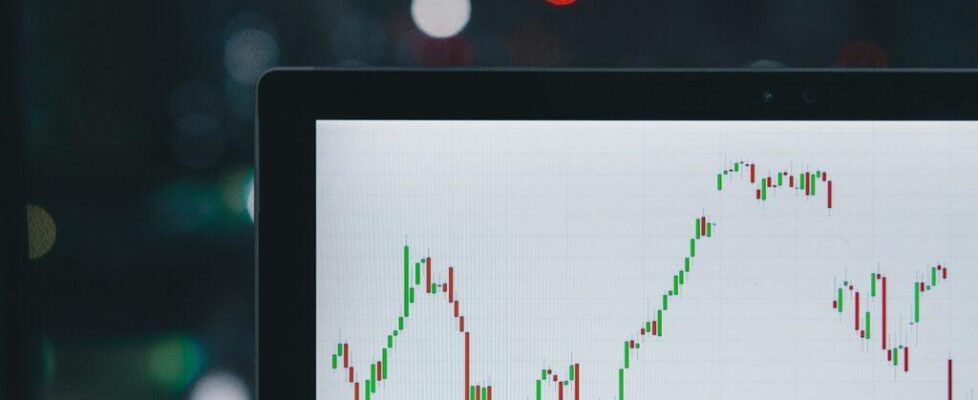
Volatility-Adaptive Forex Trading Systems

You can’t control central banks, bond yields or surprise headlines. What you can control is how you show up in front of your chart. In a market that punishes hesitation and ego, structured automation and defined risk limits offer something rare: a clear plan when price starts misbehaving.
Volatility has a way of creeping up on retail traders. One week the market looks steady, spreads are tight and price moves feel manageable. The next week you are staring at a chart that jumps twenty pips in seconds and takes your stop – and your heart – with it. Recent macro reports have pointed to fragile market conditions, even when headline indices look calm. That backdrop filters straight into forex. If you are trading XAU/USD or major pairs on a retail account, you are operating in a market that can change character quickly. Static strategies do not always cope well with that reality.
Adaptive Systems in a Volatility-Driven FX Environment
Retail traders often build strategies around fixed rules. Fixed stop loss, fixed take profit, fixed lot size. That works when conditions stay consistent. The problem is that forex rarely stays consistent for long. Gold on the M15 chart can look stable in the morning and become erratic by the afternoon.
A volatility-adaptive forex system is built around the idea that conditions expand and contract. Instead of assuming one market rhythm, it adjusts entries, position sizing and risk controls based on what price is actually doing. In practice, this means automated logic running on platforms such as MT4, using filters around spread, drawdown and momentum before committing to trades.
You are not glued to the screen guessing whether the next candle will spike. The system responds to measurable changes in price behaviour and manages exposure accordingly. That approach feels less dramatic and more structured, which is usually what you want in a jumpy market.
Elevated Financial Stability Risks and Market Sensitivity
The International Monetary Fund’s latest Global Financial Stability Report highlights elevated systemic risk and stretched asset valuations. Markets can appear calm on the surface, yet remain sensitive to sudden repricing. Bond yields, liquidity pockets and cross-border capital flows all feed into currency volatility.
If you trade forex, that macro backdrop is not abstract. It shows up as sharper moves, thinner liquidity at certain hours and faster reactions to data releases. A single inflation print or central bank comment can send gold or major pairs moving in ways that catch retail traders off guard. You do not need to read every IMF page to feel that effect. You see it on your chart.
In that kind of environment, a system that measures volatility and adjusts its risk profile makes practical sense. It is not about predicting the next headline, but about recognising that market conditions can tighten or expand quickly and structuring trades around that fact.
Regulatory Pressure and Broker Accountability in Retail FX
Retail forex is also under steady regulatory watch. A recent enforcement case involving a CFDs broker fined over compliance and due diligence issues shows how seriously authorities treat operational standards.
That regulatory focus is not just background noise. It shapes the environment you operate in. Brokers face requirements around reporting, capital controls and client protection. That filters down to margin rules, leverage limits and trade execution standards.
In a tighter regulatory climate, discipline becomes central. Automated systems with defined stop loss levels, global risk caps and controlled position limits align better with that framework than aggressive, loosely managed manual trading. You are less likely to overextend exposure when logic is predefined. The broader industry context favours structured risk management, not impulsive trading decisions made on emotion or social media chatter.
Automation, Risk Controls and Adaptive Logic Under Stress
Automation on its own does not solve volatility. Poorly designed algorithms can blow accounts faster than manual trading. What makes the difference is the layer of risk controls embedded in the system.
Adaptive logic usually includes fixed and trailing stop loss parameters, maximum open position limits and spread filters that prevent entries during abnormal market conditions. Some systems also adjust lot sizing relative to account balance, reducing exposure after drawdowns rather than doubling down recklessly.
When gold spikes during a US data release or liquidity thins around a holiday session, those filters are there to reduce exposure. You are not reacting in panic. The system follows predefined rules. That does not remove risk, but it narrows the range of bad decisions. In volatile cycles, the aim is often preservation first and growth second. A structure that prioritises containment of losses tends to keep you in the game longer.
Structural Discipline in an Unstable Market Cycle
Forex trading in 2026 sits at the intersection of elevated macro risk and tighter regulatory oversight. Charts can look calm, then move sharply without much warning. That creates pressure to adapt rather than cling to fixed assumptions.
Volatility-aware automation is one response to that pressure. It does not promise certainty or smooth equity curves. What it offers is structure. Defined entries, defined exits and defined exposure limits bring order to a market that can feel unpredictable. In a market that reacts almost instantly, discipline and measured risk often carry more weight than bold forecasts.